
Hazardous Location Classifications, Standards, and Explosion Protection
Learn how hazardous location classification systems, certification, and explosion-protection methods help select suitable equipment for fire and explosion hazards.
Read more...KNOWLEDGE SECTION
Learn how hazardous location classification systems, certification, and explosion-protection methods help select suitable equipment for fire and explosion hazards.
Read more...
Learn how low-volume tee fittings reduce fill-fluid effects, simplify diaphragm-seal assemblies, and support more consistent pressure measurement.
Read more...
Learn eight practices for selecting and installing pressure instruments in water and wastewater systems, including pulsation, corrosion, solids, and overpressure.
Read more...
Learn why oxygen-service cleaning matters for pressure instruments, how cleaning is performed, and how residual contamination is verified.
Read more...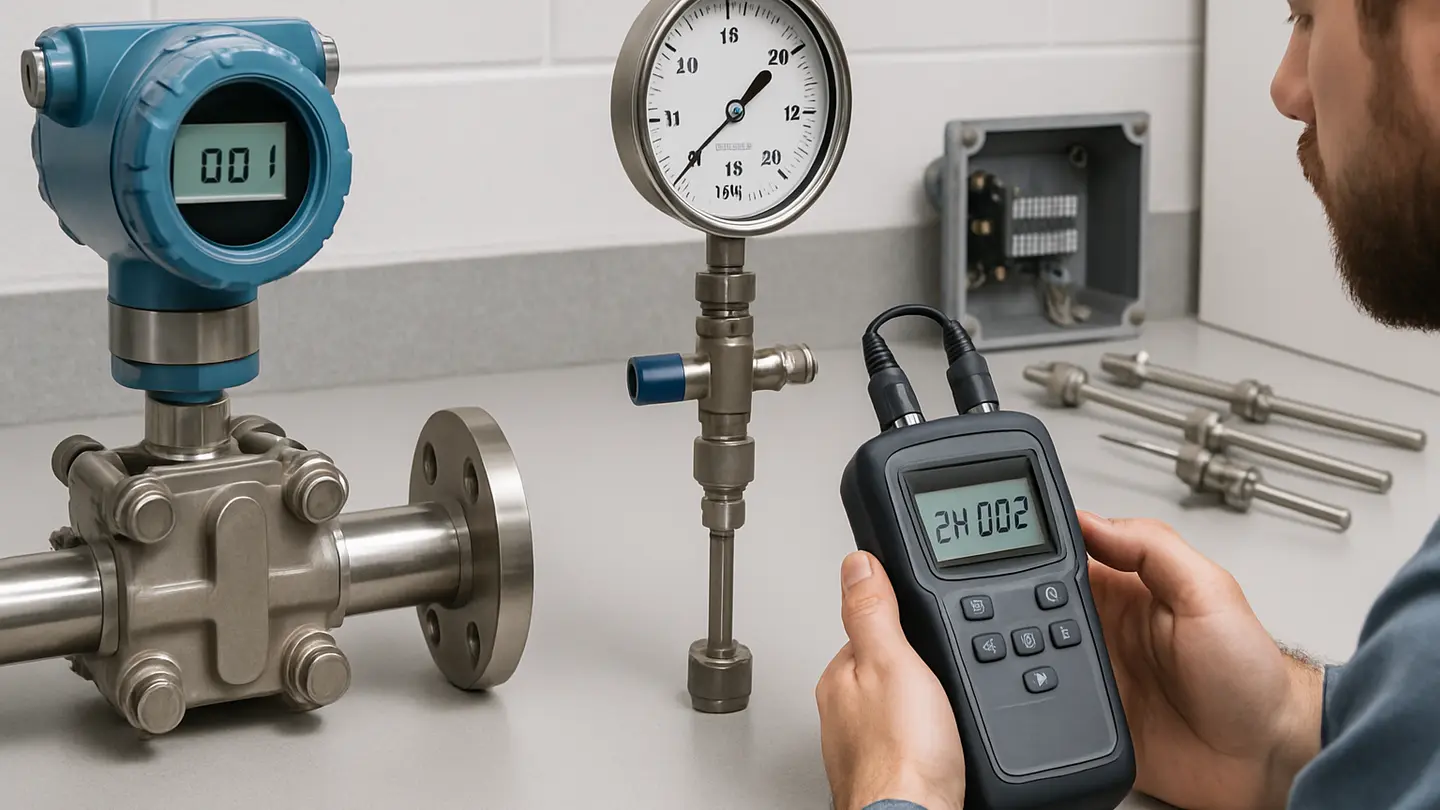
Learn how instrument audits support critical applications by reviewing ranges, failure patterns, application fit, and team training needs.
Read more...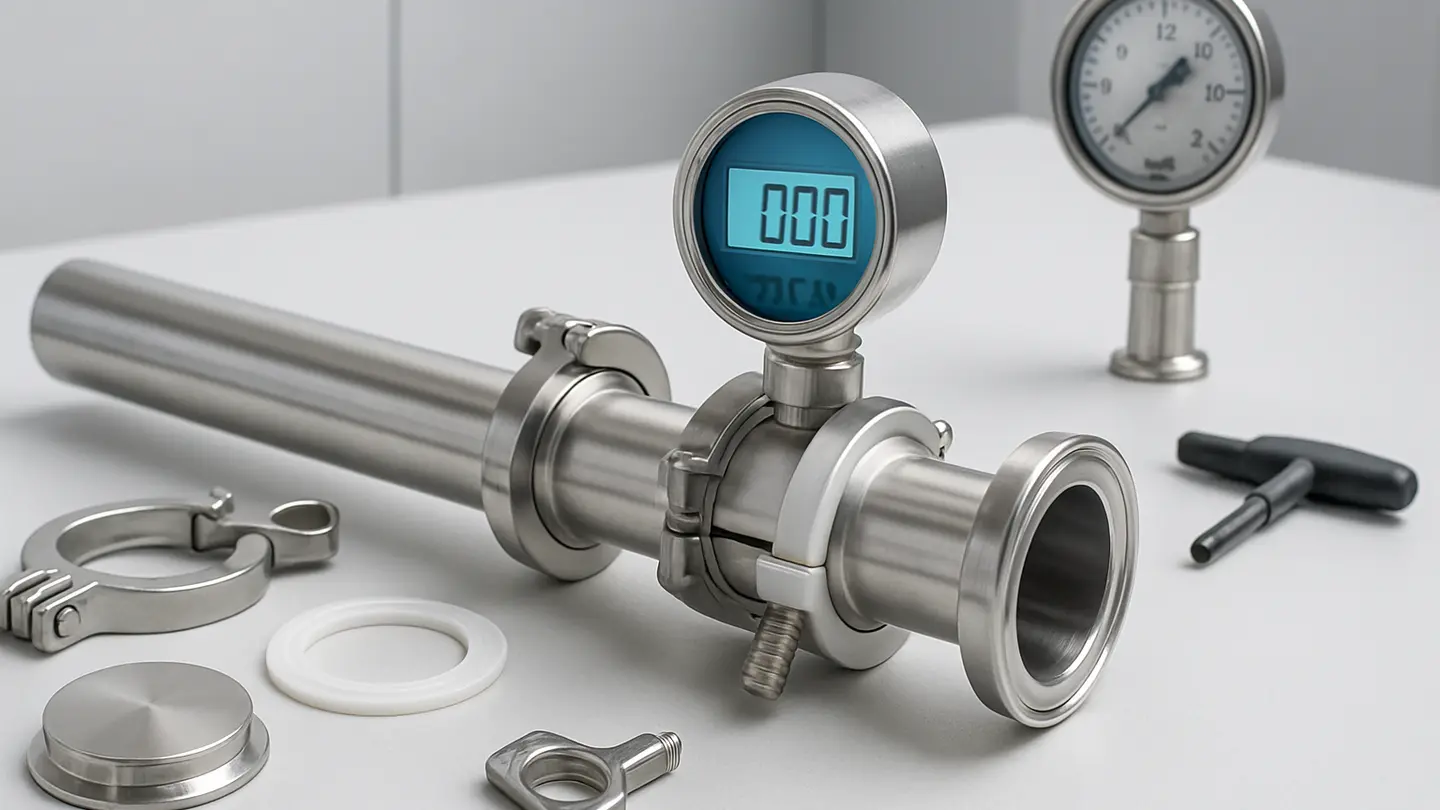
Learn how Tri-Clamp fittings support hygienic processing, including gasket selection, sanitary installation, cleanability and maintenance practices.
Read more...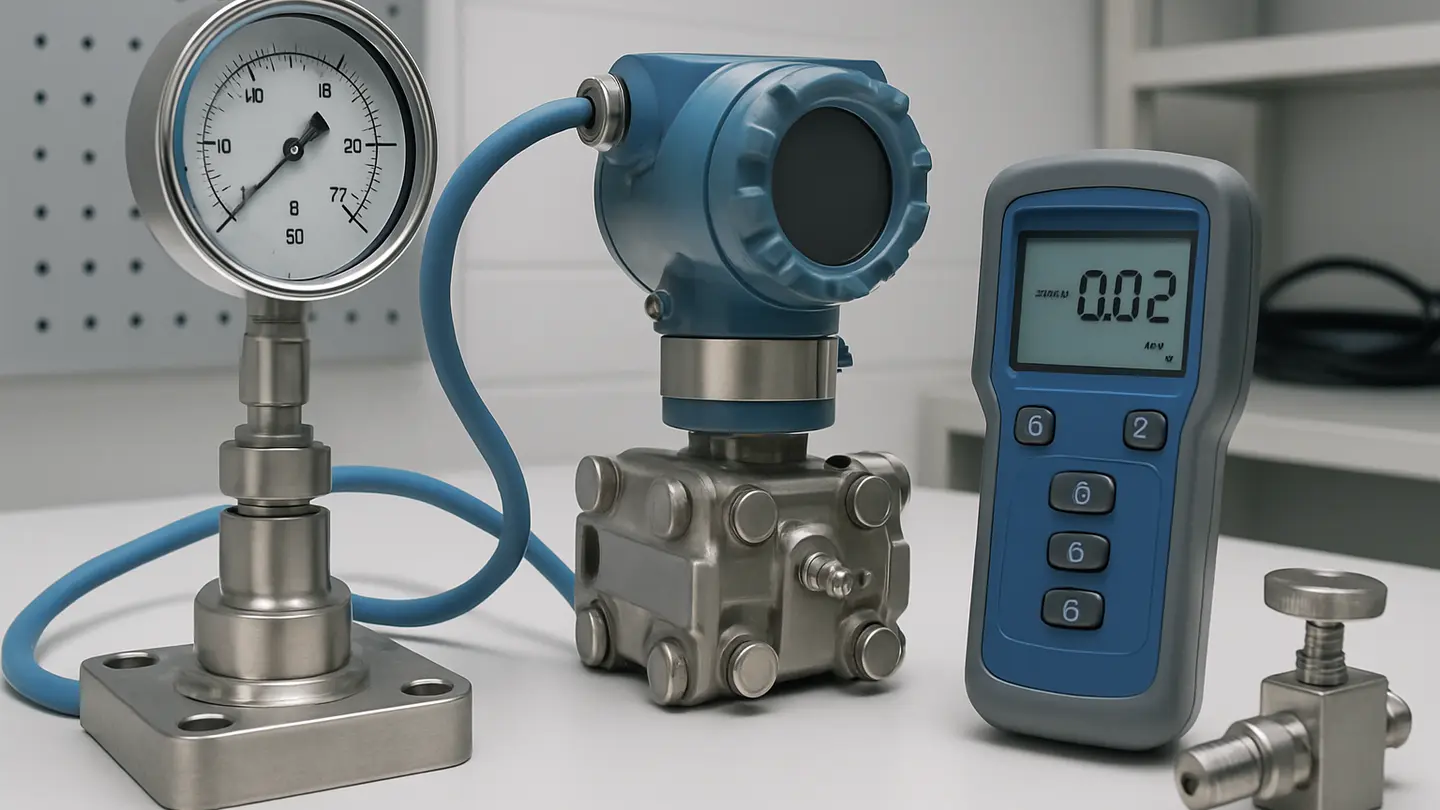
Learn how fill fluid, trapped air, leaks, and improper field filling can affect pressure isolator response, calibration, and reliability.
Read more...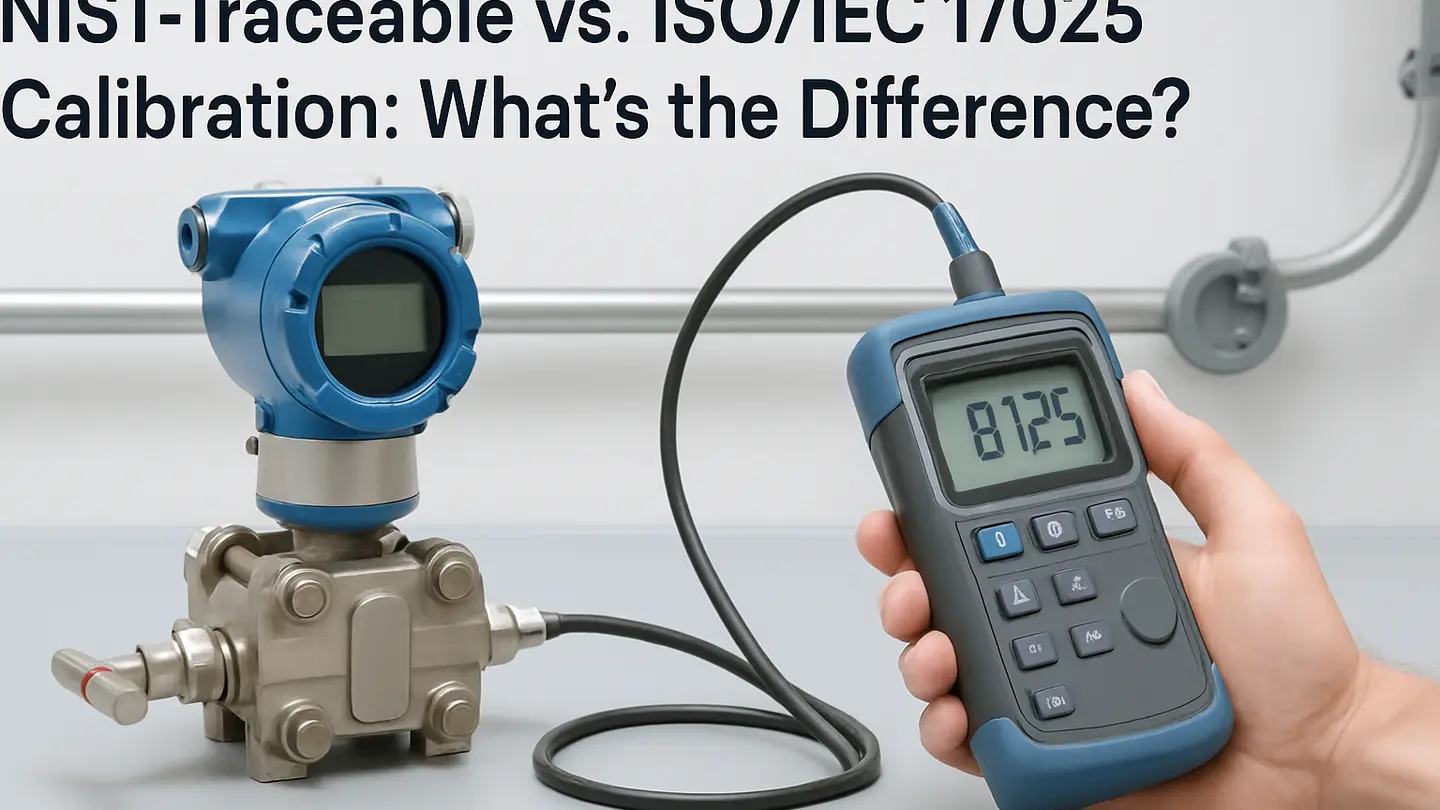
Learn how NIST-traceable and ISO/IEC 17025 calibrations differ in traceability, accreditation, uncertainty, and documentation requirements.
Read more...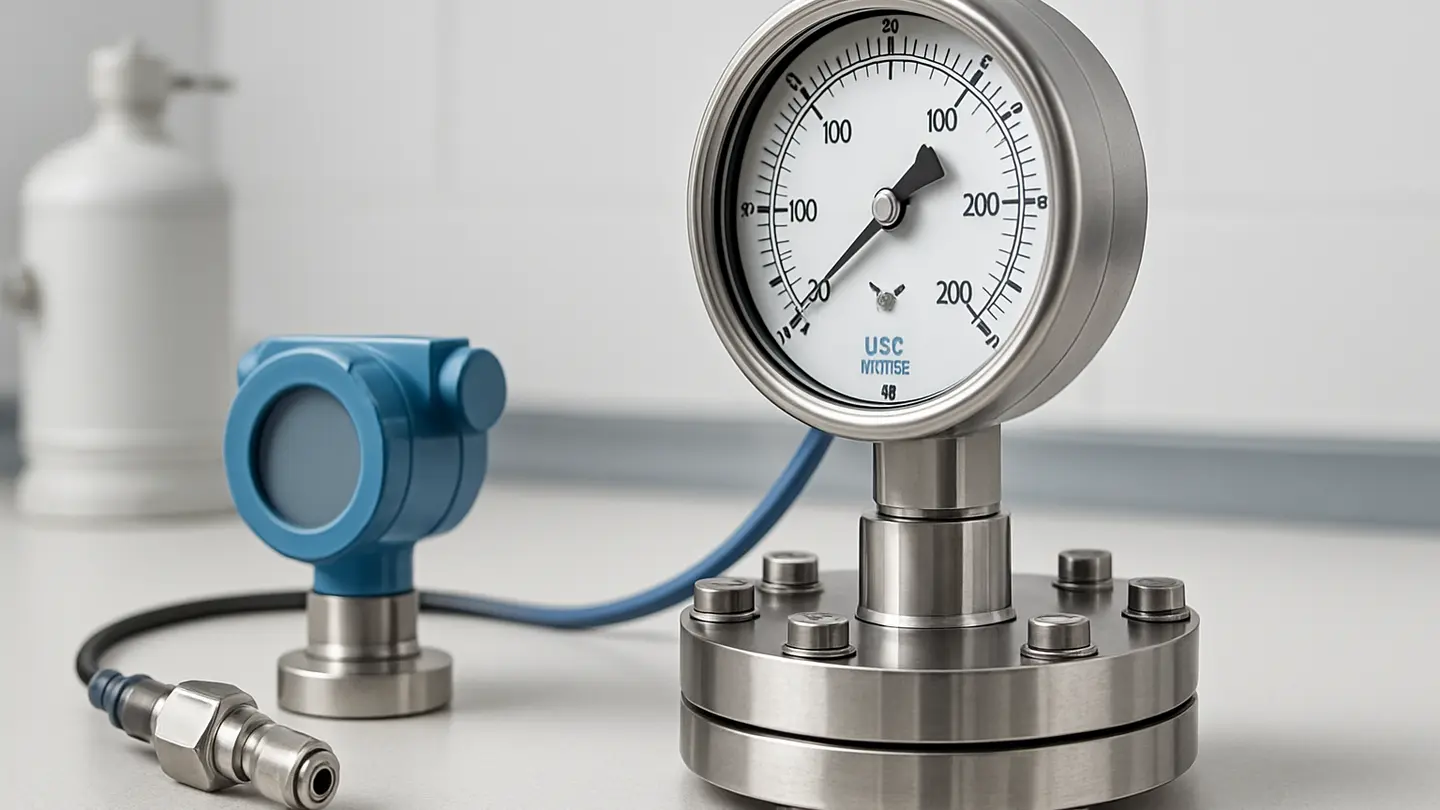
Learn how diaphragm seals, welded connections, leak detection, and dual containment help protect pressure gauges in refinery HF alkylation service.
Read more...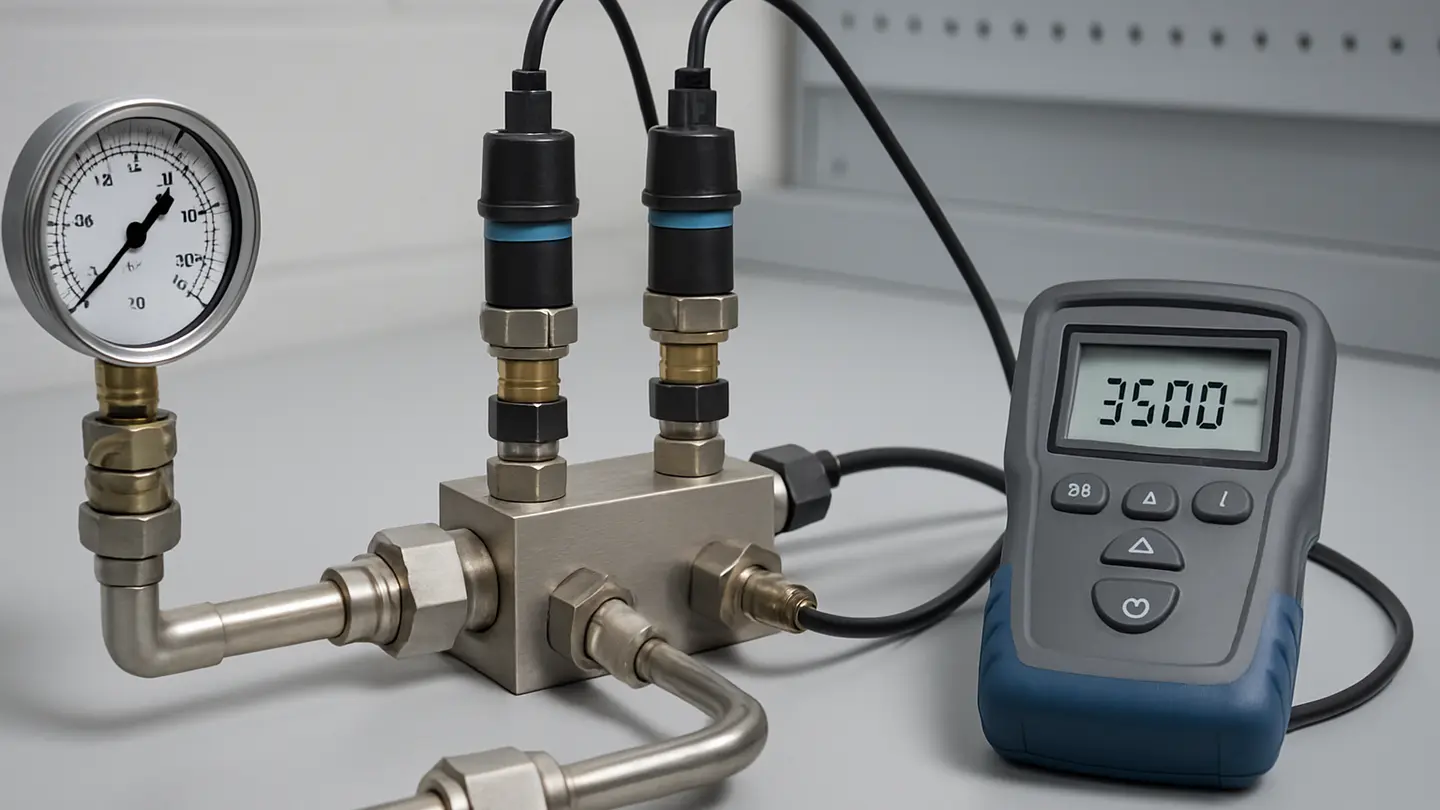
Learn how redundant pressure sensing can support fluid power system safety through signal validation, fault detection, and rugged sensor design.
Read more...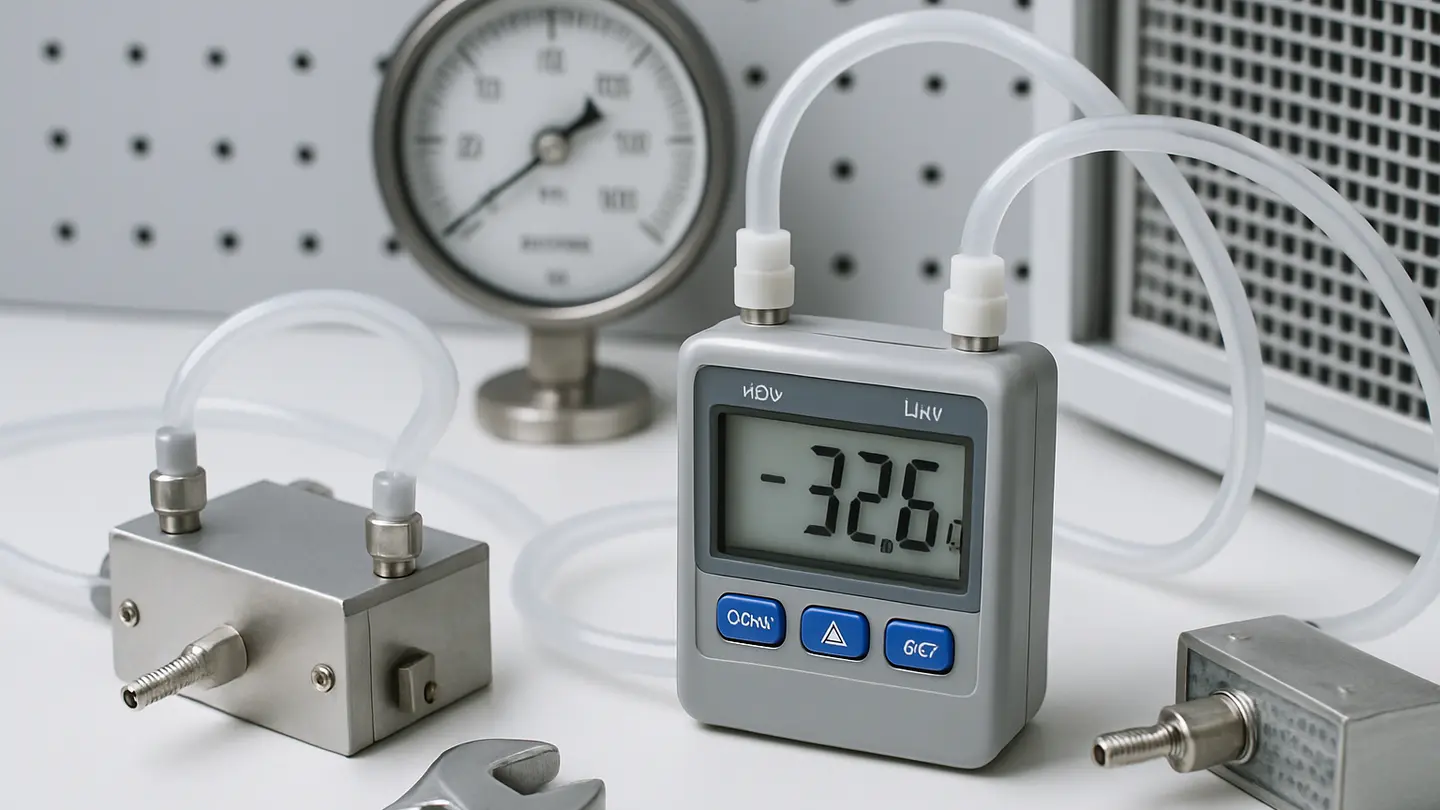
Learn how differential pressure measurements help monitor semiconductor cleanroom air systems, including filters, FFUs, exhaust airflow, and room pressure.
Read more...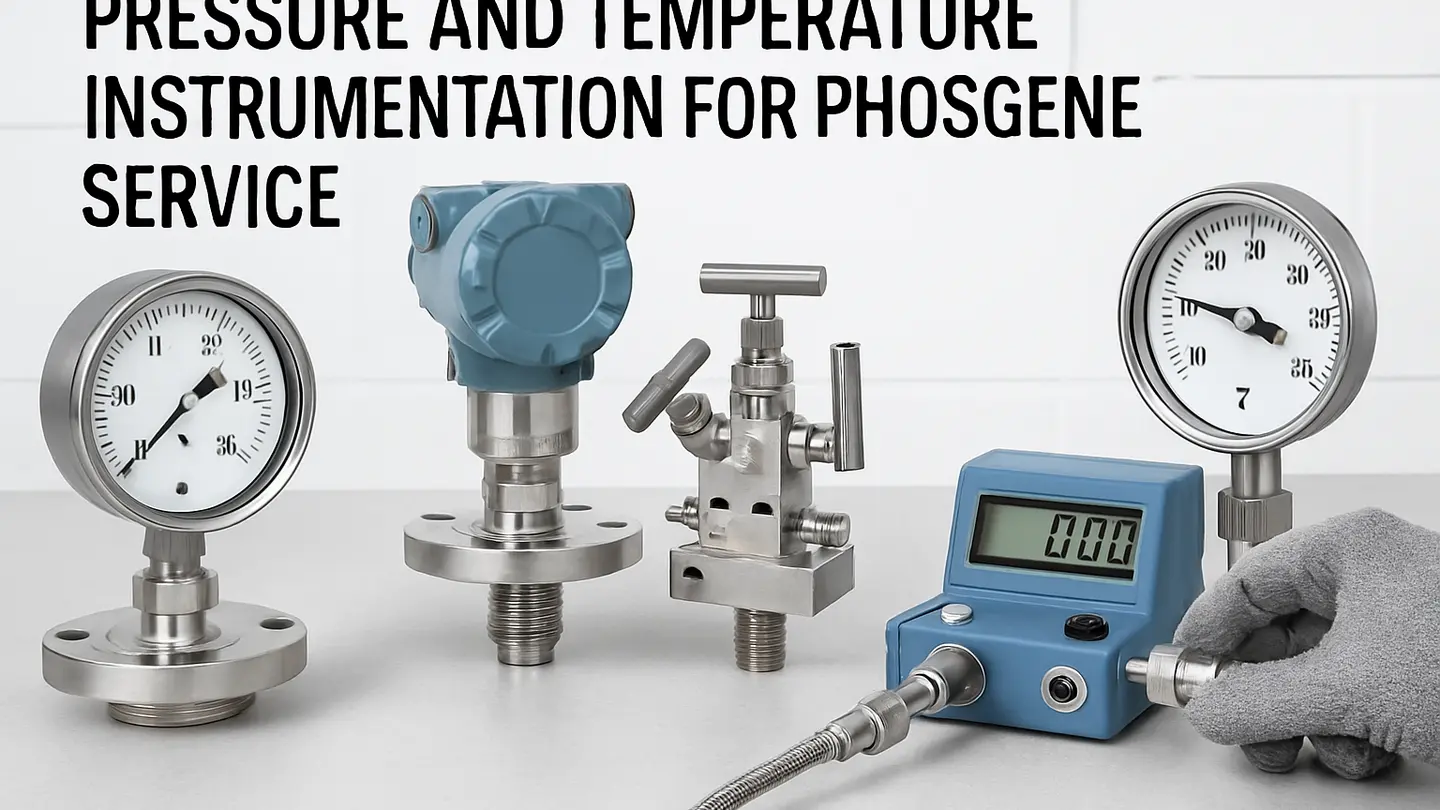
Learn selection and installation practices for pressure gauges, diaphragm seals, monoflanges and thermowells in phosgene service.
Read more...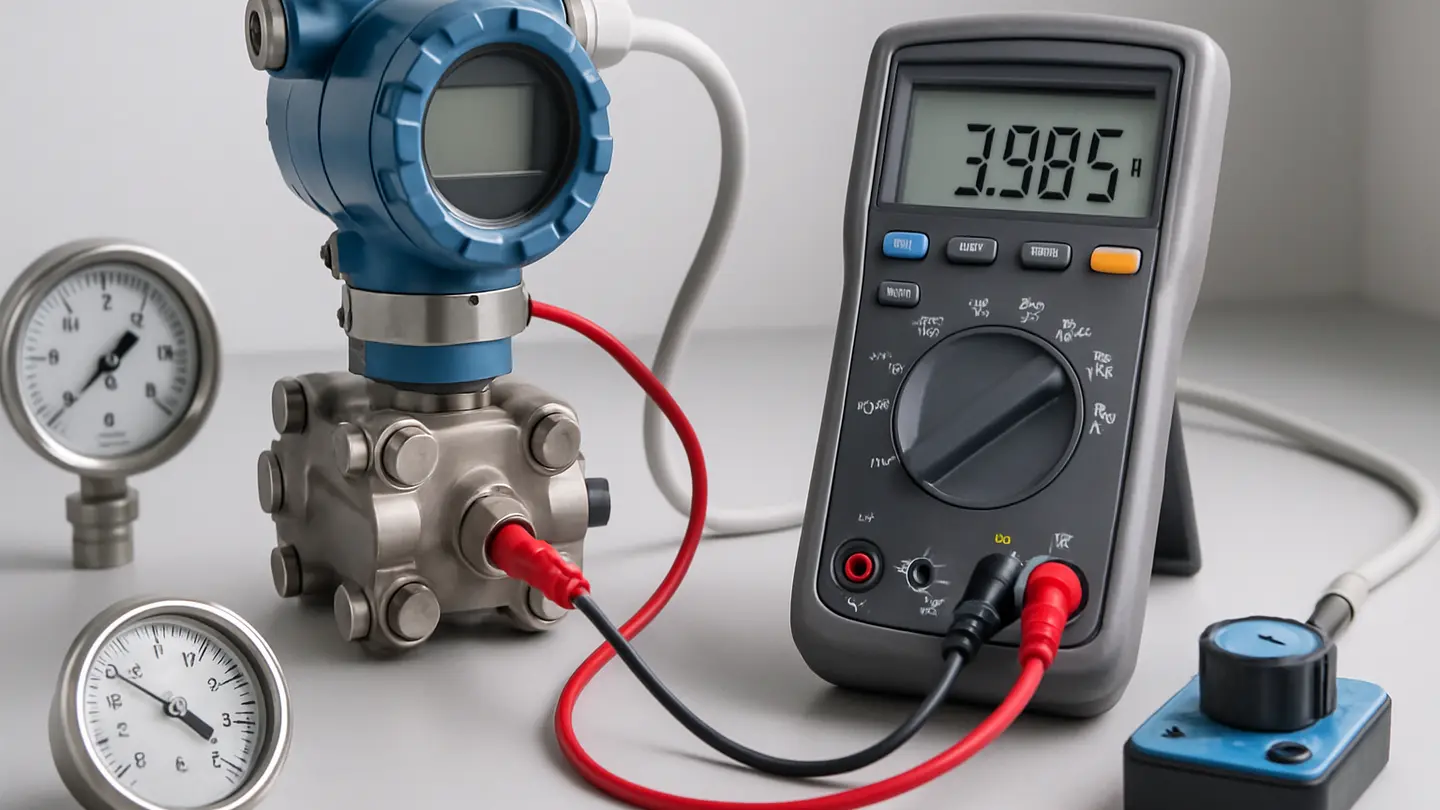
Learn how NAMUR NE43 defines 4–20 mA saturation, underrange, overrange, and fault current regions for transmitter diagnostics.
Read more...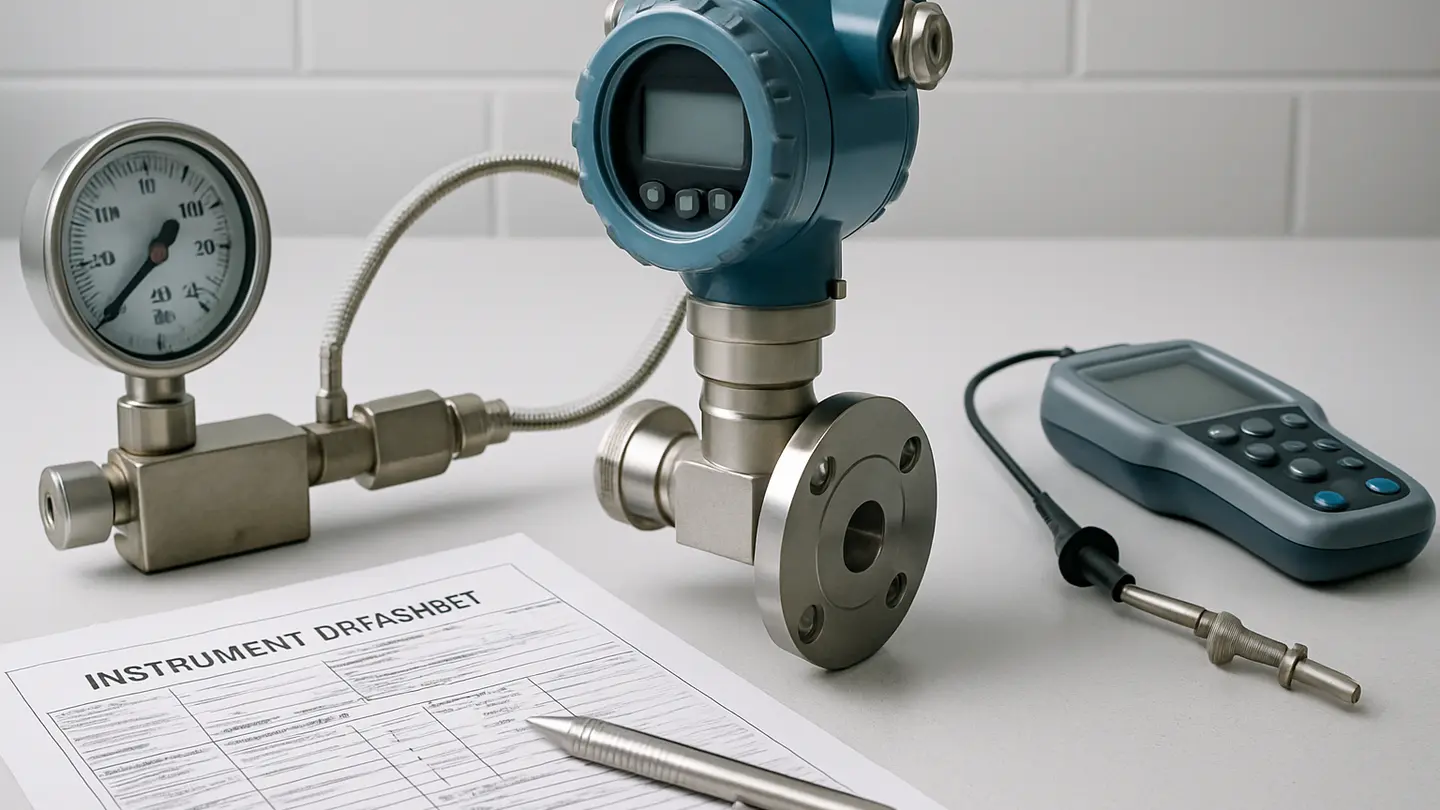
Learn what an instrument datasheet contains and how it supports engineering, procurement, vendor review, commissioning, and maintenance.
Read more...